Patriots Owner Robert Kraft Challenges NFL Streaming Fees: The $100 Wild Card Controversy That Could Change Football Forever
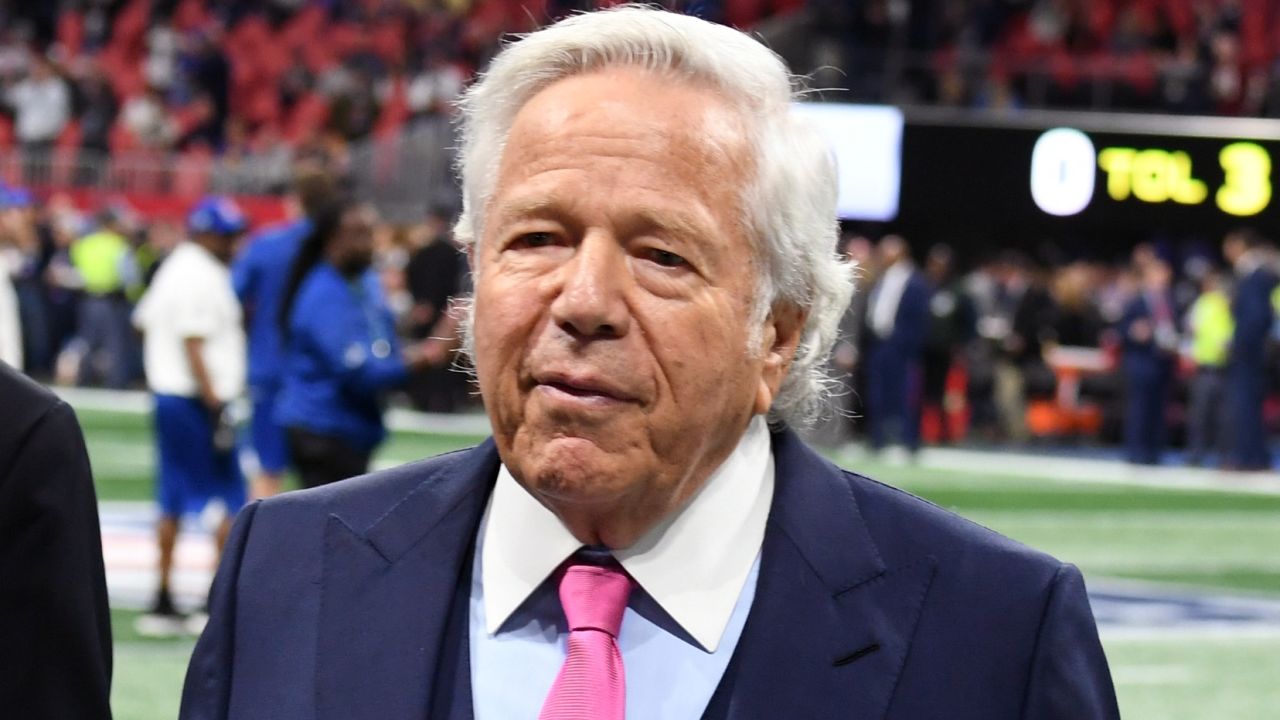
The 2026 Wild Card weekend was supposed to be a celebration of football, a time for fans to gather with friends and family, watch the game, and enjoy the passion that makes the NFL America’s favorite sport. Instead, Patriots fans were met with frustration and disbelief as streaming platforms demanded upwards of $100 just to watch their team play. For many loyal followers of the New England Patriots, what should have been a simple weekend ritual turned into a financial headache.
At the center of this storm is Patriots owner Robert Kraft, who has publicly expressed his outrage at the league’s decision to allow multiple streaming services to charge exorbitant fees for access. ESPN, Amazon Prime, Peacock, and other platforms combined have made it almost impossible for a typical fan to watch without opening their wallets significantly. In a statement released earlier this week, Kraft criticized NFL Commissioner Roger Goodell, saying the league is “bleeding fans dry” and eroding the traditional values that have long defined the sport.
“This is not just about money,” Kraft said during a press conference. “Football is about community, tradition, and loyalty. Asking fans to pay more than $100 to watch a single Wild Card game is a betrayal of those principles.” His words resonated with millions of Patriots fans across New England, many of whom took to social media to voice their frustration. Hashtags calling for a return to affordable access and better fan treatment quickly began trending nationwide.
The backlash comes at a critical time for the NFL, which has seen a steady increase in streaming subscriptions but also growing criticism over the cost. While digital services were meant to expand accessibility, the reality for fans has often been quite the opposite. Bundled subscriptions and overlapping service fees have created confusion, and for diehard followers of multiple teams, costs can quickly spiral. For Patriots fans, who have long prided themselves on unwavering loyalty, this move felt particularly sharp.
Kraft’s intervention is not only about defending the fans; it also reflects the broader struggle between tradition and modern commercial pressures. Historically, football has been one of the few American sports where free access to televised games was guaranteed for the average fan. Local networks ensured that even those who could not afford cable packages could watch their teams. Over the years, this tradition became part of the NFL’s identity, cementing the bond between teams and their communities. Now, that bond is under threat.
Analysts suggest that Kraft’s public criticism could have significant implications for the league. By openly challenging Goodell, he is signaling that team owners are not merely passive participants in the NFL’s business strategy. His stance could inspire other owners to advocate for fans, potentially reshaping how streaming rights and fees are negotiated in the future. The question remains: will this lead to meaningful change, or is it simply a symbolic gesture aimed at appeasing a frustrated fan base?
Fan reactions have been swift and polarized. Many Patriots supporters expressed overwhelming gratitude for Kraft’s boldness, praising him for putting the interests of the community above revenue. Social media platforms were flooded with posts thanking Kraft for “standing up for the fans” and calling for other owners to follow his example. Meanwhile, some critics argue that as a billionaire team owner, Kraft himself benefits from the league’s commercial growth and should therefore support its revenue-generating strategies rather than challenge them publicly.
The controversy also sheds light on the evolving relationship between sports and technology. As more viewers shift to digital platforms, leagues are experimenting with ways to maximize revenue. However, this digital transformation comes at a cost. Fans accustomed to traditional broadcast methods now face a complex landscape of subscriptions and pay-per-view options. While these new models may benefit the NFL financially, they risk alienating the very audience that has supported the league for decades.
For Patriots fans, the upcoming Wild Card games have become more than just a test of athletic skill—they are a test of loyalty. Some fans have admitted to debating whether the experience is worth the price, questioning if they should continue to follow the team under such financial strain. Kraft’s statements may offer some hope that the tradition of accessible football will not disappear entirely. His willingness to challenge league policies could mark a turning point in how teams interact with fans and how the NFL balances profit with community.
Beyond the financial implications, Kraft’s actions highlight a broader cultural debate about the role of sports in American society. Football has always been more than just a game; it is a cultural institution that brings people together across generations. By calling attention to the burdensome costs of modern streaming, Kraft is reminding both the league and the public that the sport’s value extends beyond dollars and cents. It is about identity, connection, and the shared experience of cheering for a team.
As the Wild Card weekend unfolds, all eyes will be on the Patriots and their fans. Will Kraft’s bold stance inspire a reevaluation of streaming policies, or will fans continue to shoulder the growing financial burden? One thing is clear: the debate over access, affordability, and fan loyalty is far from over. In the coming months, how the NFL responds could set a precedent for professional sports leagues across the country.
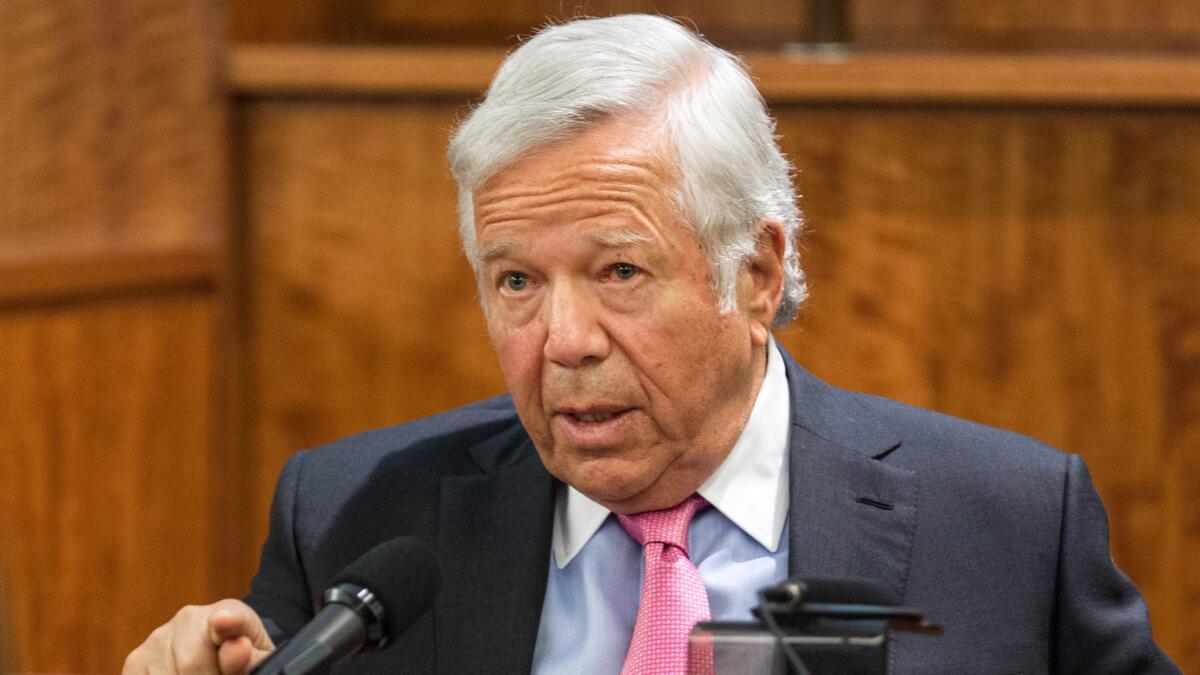
For now, Patriots fans remain caught between their love for the game and the rising cost of watching it. Robert Kraft’s public criticism of Roger Goodell serves as a rallying cry for those who believe that football should remain for everyone, not just for those who can afford the premium price. Whether this marks the beginning of a new era or just a dramatic moment in league history, it is certain to leave an indelible mark on the relationship between fans, teams, and the NFL itself.
In the end, the 2026 Wild Card controversy is more than a story about streaming fees. It is a story about loyalty, tradition, and the struggle to maintain a connection between a sport and its devoted followers. As Robert Kraft continues to speak out, Patriots fans—and all football fans—will be watching closely to see if the league will listen, or if this digital nightmare is just the beginning of a new, more expensive era of football.