SHOCKING REVELATION: J.J. Watt’s Explosive Accusation Puts the Patriots and the NFL Playoffs Under the Microscope
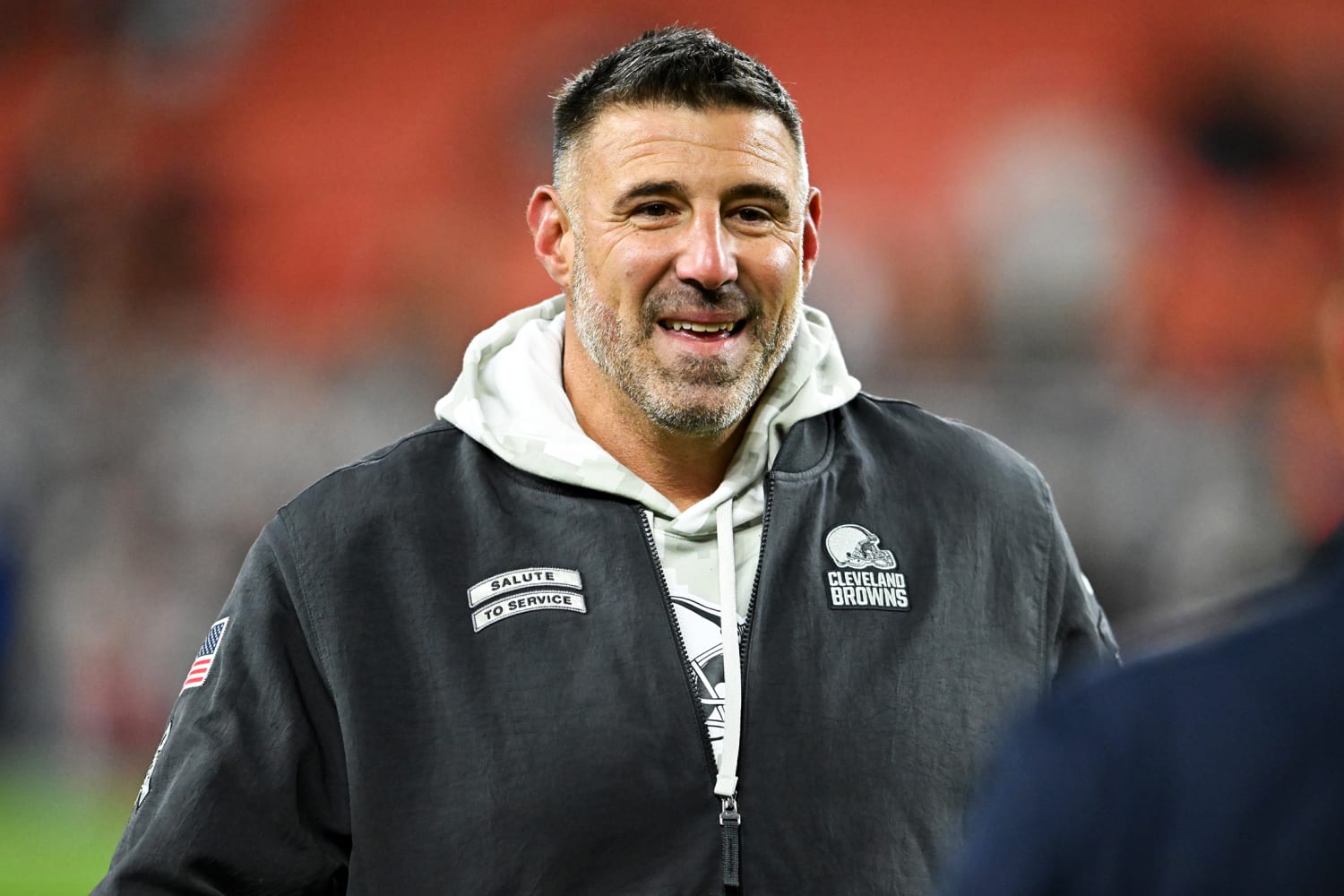
The NFL is no stranger to controversy, but every so often, an allegation emerges that cuts straight to the heart of competitive integrity. This week, that moment arrived when future Hall of Famer J.J. Watt publicly questioned whether the New England Patriots gained an unfair advantage ahead of their playoff matchup at Gillette Stadium. His accusation — centered on the Patriots signing a Houston Texans player just days before the postseason game — has ignited one of the most heated debates of the year.
At first glance, the move itself appeared legal, routine, and well within the bounds of league rules. Teams sign players late in the season all the time, especially when injuries pile up and depth becomes critical. But Watt’s comments reframed the narrative entirely, suggesting that the timing and the identity of the player raised uncomfortable questions about inside knowledge, strategic manipulation, and whether the spirit of fair competition was compromised.
The Signing That Changed the Conversation
According to league transaction records, New England finalized the signing of a Texans player less than a week before the playoff showdown. The player, while not a superstar, had intimate familiarity with Houston’s offensive schemes, terminology, and tendencies — information that can be invaluable in a win-or-go-home situation.
Under NFL rules, there is nothing illegal about signing a free agent from another team, even one you are about to face. What made this case explosive was Watt’s implication that the Patriots may have benefited from more than just an extra body on the roster.
In a media appearance that quickly went viral, Watt questioned whether the move represented “smart roster management” or something that crossed an ethical line. Without explicitly accusing New England of breaking the rules, his words carried a sharper edge — suggesting that insider knowledge, timing, and long-standing organizational power could tilt the playoff balance.
J.J. Watt’s Voice Carries Weight
This is not an accusation coming from an anonymous fan or a talking head chasing clicks. J.J. Watt is widely respected across the league as one of the most disciplined, honest, and competitive players of his generation. His reputation as a leader and his history with the Texans lend credibility to his concerns, at least in the court of public opinion.
That credibility is precisely why the story has exploded. When a player of Watt’s stature raises a red flag, fans listen. Former players weigh in. Analysts dissect every angle. And suddenly, a single roster transaction becomes a referendum on how power operates in the NFL.
Patriots, Power, and Perception
For the Patriots, this controversy lands on familiar terrain. Over the past two decades, New England has been both the league’s most successful franchise and its most scrutinized. From Spygate to Deflategate, the organization has often found itself at the center of debates about rules, loopholes, and competitive edges.
Supporters argue that the Patriots simply operate smarter and more efficiently than everyone else. Critics counter that the franchise has long benefited from pushing boundaries in ways other teams either cannot or will not.
In this context, Watt’s accusation feels less like an isolated incident and more like the latest chapter in a long-running narrative. Even without evidence of wrongdoing, the perception alone is enough to reignite old suspicions — especially with playoff stakes this high.
Inside Knowledge: Advantage or Illusion?
A key question driving the debate is how much impact a recently signed player can realistically have. Playbooks are complex, and terminology differs from team to team. Installing a new player into a game plan in just a few days is challenging, even for veterans.
However, defenders of Watt’s concern point out that insight does not have to be exhaustive to be useful. Even small details — cadence tendencies, preferred adjustments, communication habits — can influence preparation and confidence. In playoff football, where margins are razor-thin, that knowledge can feel decisive.
Others dismiss the idea entirely, arguing that modern NFL teams already have vast scouting data, film libraries, and analytics departments. From this perspective, the idea that one player could “give away secrets” is outdated and exaggerated.
The League’s Silence — For Now

So far, the NFL has not indicated any intention to investigate the signing. League sources have emphasized that the transaction complied with all rules and that no evidence suggests improper conduct.
But silence does not equal resolution. In today’s NFL, public trust is almost as important as rule enforcement. Even if the league takes no action, the conversation sparked by Watt’s comments will linger — particularly if the Patriots advance deep into the playoffs or defeat the Texans convincingly.
Fans Divided, Debate Intensified
Predictably, fan reaction has been sharply polarized. Patriots supporters see the accusation as sour grapes and an attempt to undermine New England’s success. They argue that every team has the same opportunity to sign free agents and that blaming the Patriots is simply convenient.
Opposing fans, however, view Watt’s comments as validation of long-held suspicions. To them, the signing symbolizes how powerful organizations can exploit timing, relationships, and institutional knowledge in ways that feel unfair, even if technically legal.
Social media has amplified both sides, turning the issue into one of the most discussed playoff storylines — sometimes even overshadowing the game itself.
A Bigger Question About Fairness
Beyond the Patriots and Texans, this controversy raises broader questions about how the NFL defines fairness. Is competitive integrity solely about following the written rules, or does it also involve respecting unwritten norms? Should the league consider additional safeguards around late-season signings involving imminent opponents?
There are no easy answers. The NFL thrives on innovation, strategy, and exploiting every legal advantage. At the same time, its credibility depends on fans believing that championships are earned on the field, not influenced by shadowy advantages off it.
What Happens Next
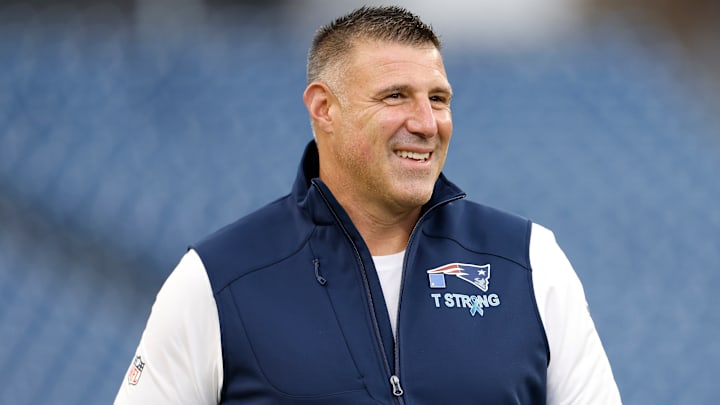
As kickoff approaches, one thing is certain: this playoff game will be watched through a different lens. Every defensive adjustment, every stalled drive, every decisive moment will be scrutinized for signs that Watt’s concerns were justified — or overblown.
Win or lose, the Patriots will once again find themselves at the center of the NFL conversation. And J.J. Watt’s accusation, whether proven or not, has already accomplished something powerful: it has forced fans, analysts, and the league itself to confront uncomfortable questions about power, perception, and the true meaning of a level playing field in playoff football.
In a league built on drama, few storylines are more compelling than one that challenges the very integrity of the game — and this one is far from over.