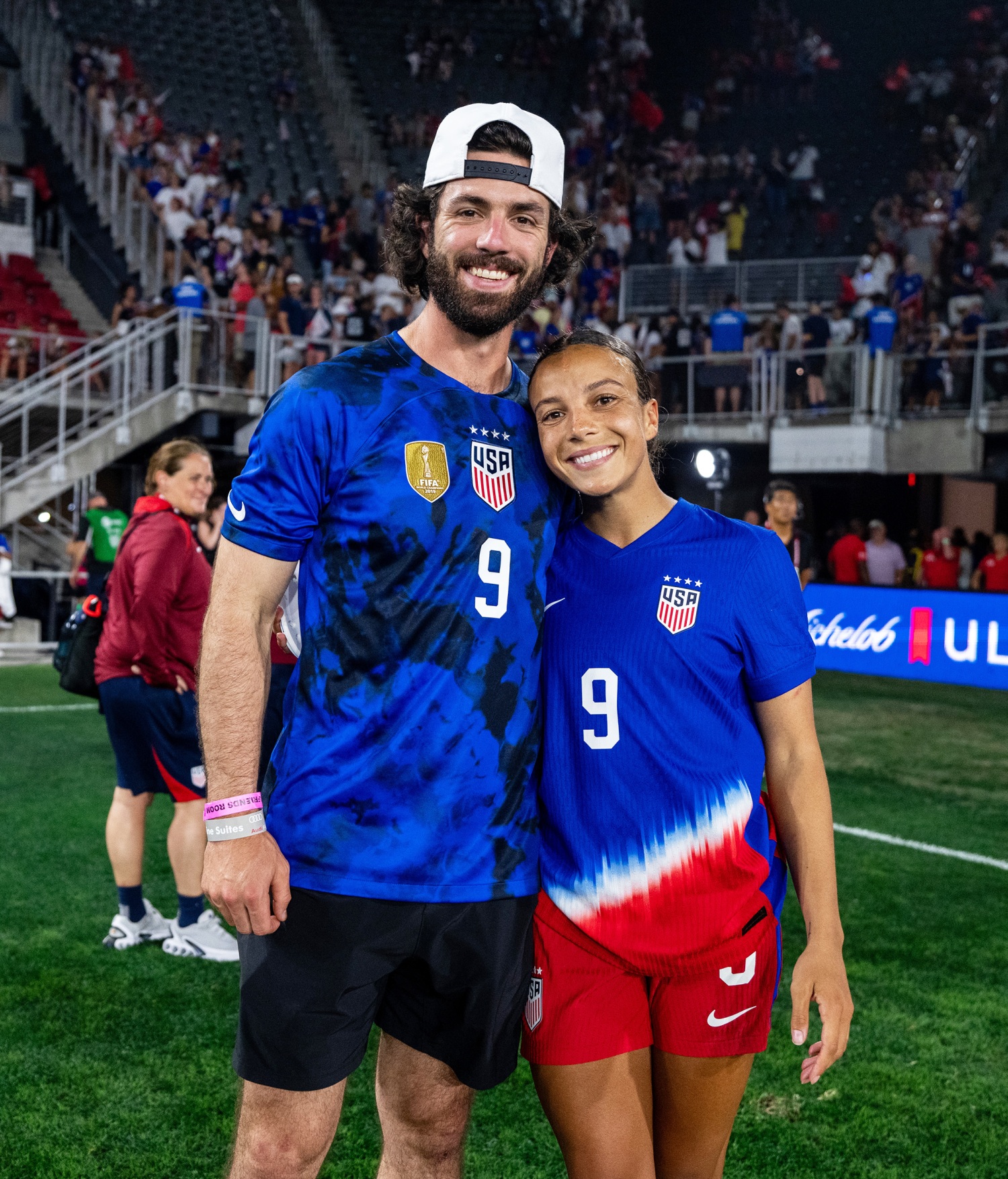
“DON’T COME NEAR MY FAMILY OR MY COUNTRY.” — Mallory Swanson’s Eight Words That Turned a Media Firestorm Into a Defining Moment of Pride
What was supposed to be a routine press conference following a high-profile sports and media event quickly spiraled into one of the most talked-about moments of the year. Cameras were rolling, reporters were settled in, and the atmosphere was calm — until it wasn’t.
By the time the microphones were shut off, Mallory Swanson had delivered a response so sharp, so personal, and so resolute that it sent shockwaves far beyond the room. Eight words. No notes. No hesitation. And suddenly, the entertainment and sports worlds were on fire.
“Don’t come near my family or my country.”
Those words didn’t just echo through the press conference hall — they reverberated across social media, sports talk shows, political commentary, and late-night debates. In a culture increasingly defined by performative outrage and carefully scripted apologies, Swanson’s response felt raw, unscripted, and impossible to ignore.
The Moment That Changed the Room
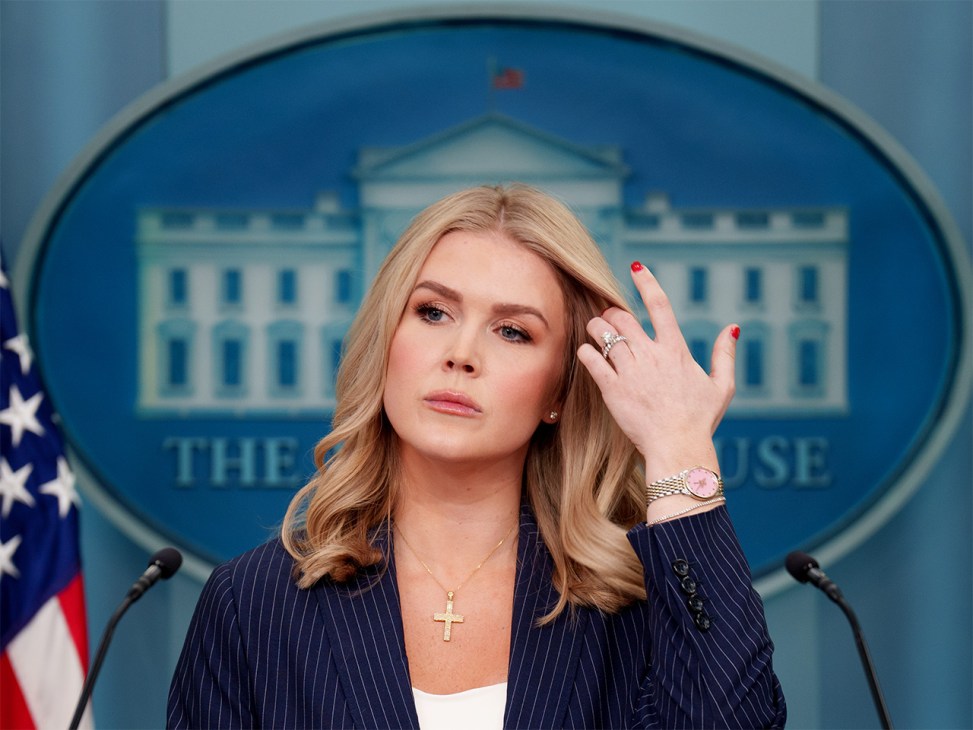
The tension began when Karoline Leavitt, appearing as part of a media panel tied to the event, made remarks that many in attendance immediately found inappropriate. What started as a pointed comment quickly crossed a line when it referenced Mallory Swanson’s family in a dismissive and deeply offensive way.
Witnesses described a brief, stunned silence. Reporters glanced at one another. Publicists shifted in their seats. This was not part of the schedule.
Swanson, who had remained composed throughout the event, did not look to her team for guidance. She didn’t whisper to an advisor or ask for clarification. Instead, she stood up, walked toward the microphone, and took control of the moment.
There was no shouting. No rambling speech. Just eight words, delivered with a steady voice and unflinching eye contact.
The room froze.
Why Those Eight Words Hit So Hard
In an era where public figures often rely on lengthy statements crafted by legal teams, Swanson’s response cut through the noise precisely because of its simplicity. It wasn’t a political argument. It wasn’t a personal attack. It was a boundary.
By invoking both her family and her country, Swanson tapped into two deeply emotional pillars that resonate far beyond sports fandom. The message was unmistakable: criticism is one thing, but disrespect — especially toward loved ones — is off limits.
Within minutes, clips of the exchange began circulating online. Within hours, hashtags bearing Swanson’s name were trending across multiple platforms. Fans, fellow athletes, and even critics who disagreed with her politics found themselves acknowledging the power of the moment.
Leavitt’s Apology — And Why It Fell Flat
As backlash mounted, Karoline Leavitt issued an apology later that day, calling for “peace” and emphasizing that her remarks were not intended to cause harm. The statement, however, struck many as carefully worded and emotionally distant.
To critics, it felt less like accountability and more like damage control.
What fueled the fire even further was Swanson’s response to the apology. Rather than escalating the conflict, she doubled down on her original stance — not with insults, but with conviction.
She spoke about pride. About loyalty. About the responsibility of public figures to understand the weight of their words. And she made it clear that her love for her family and her homeland — Colorado, the place she has often credited with shaping her values — was not up for debate.
That follow-up didn’t just go viral. It cemented the narrative.
A Career Defined by More Than Goals and Trophies
Mallory Swanson has long been admired for her performances on the field. Known for her speed, composure, and relentless work ethic, she has built a reputation as one of the most respected athletes of her generation.
But moments like this reveal another side — one that fans don’t always see during matches and highlight reels.
Teammates later described her as calm but unyielding, someone who rarely seeks confrontation but refuses to back down when lines are crossed. That combination — restraint paired with resolve — is part of what made the moment so powerful.
This wasn’t a publicity stunt. There were no branding deals attached. No prewritten slogans. Just an athlete responding as a daughter, a partner, and a citizen.
Social Media Reacts: Division, Admiration, and Debate
As expected, reactions were polarized. Supporters praised Swanson for standing her ground and defending her family with dignity. Many shared personal stories about why her words resonated with them, particularly those who felt public discourse had grown increasingly cruel.
Others criticized her for bringing national identity into the exchange, arguing that sports and politics should remain separate. Yet even among skeptics, there was an acknowledgment that Leavitt’s original remarks crossed a line.
Perhaps the most telling reaction came from fellow athletes across different sports. Several posted messages emphasizing unity, respect, and the importance of protecting loved ones from public attacks — without directly taking sides.
A Cultural Flashpoint
What makes this incident endure is not just the drama, but what it reveals about the current moment. Public figures are expected to be accessible, criticized, and dissected — but where is the boundary?
Swanson’s eight words became a rallying point for a larger conversation about respect, accountability, and the human cost of public commentary. In refusing to soften her stance, she challenged the idea that strength must always be polite or palatable.
She didn’t ask to be celebrated. She didn’t ask to be forgiven. She simply drew a line.
The Aftermath — And the Legacy of a Sentence
Days later, the headlines continued. Commentators replayed the clip. Analysts debated its implications. And fans kept sharing those eight words, sometimes without context, sometimes with deeply personal meaning attached.
For Mallory Swanson, the moment may become one of the defining snapshots of her career — not because of controversy, but because of clarity.
In a world of noise, she spoke plainly.
In a room full of cameras, she stayed grounded.
And with eight words, she reminded everyone watching that behind every public figure is a family worth protecting — and values worth defending.
Whether praised or criticized, one thing is undeniable: the moment will be remembered. And those eight words will continue to echo long after the press conference lights went dark.